

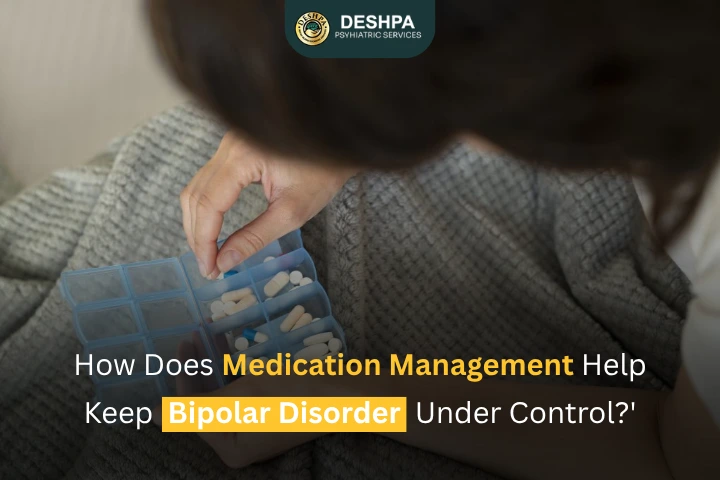
Bipolar disorder is like a bad roller coaster ride. One week, you feel great and the next week, you feel very low. You need balance. You crave control. Pills certainly work, but gulping capsules without strategy fixes only half the problem. You must build a real plan to stay fully protected. Medication management creates a good system to record your doses, handle unpleasant side effects and maintain steady stability. This allows you to truly enjoy a calm and happy life, despite facing a tough and unpredictable chronic mental health illness.
Understanding Bipolar Disorder and Your Mood
Bipolar disorder triggers extreme shifts in how you function daily. Your mood soars very high and then vanishes. It drops low without warning. These shifts destroy your sleep habits and hurt people you love. You cannot simply wish this illness away with happy thoughts, because it is profoundly real. Your brain chemistry is completely off balance. Finding the right medication can help calm those extreme highs and lift you away from the deep, dark places of severe depression every time.
What Exactly Is Medication Management?
Dialing in the exact treatment requires incredibly deep teamwork between you and a trusted provider. It fiercely protects you, your body and mind (always).
Here is exactly what happens during these absolutely vital clinic visits:
- Sharing honestly exactly how your brain and body feel today.
- Scanning vigilantly for any weird side effects that disrupt your routine.
- Upping or lowering the dose whenever those awful symptoms stubbornly persist.
- Changing the prescription completely if the current pill stops working.
- Checking carefully that your pills never dangerously clash with outside drugs.
Why You Need a Professional to Watch Your Medicine
A pill that works great for your best friend might give you a terrible headache, or it might make you feel sluggish all day. You need a trained expert to guide you safely through the entire process.
Here are the top reasons why you need a professional:
- Finding the Right Balance. A dose that is way too small leaves you open to mood swings and a dose that is too big can leave you feeling empty.
- Catching Side Effects Early. Every drug can cause annoying issues like sudden weight gain, so your provider tweaks your plan to keep you comfortable.
- Stopping Bad Relapses. The main goal is to keep you healthy and out of the hospital.
- Adjusting for Life Changes. Big life events put extra emotional stress on your body, so your provider shifts your care plan to match what you need right now.
Common Medicines That Control Bipolar Disorder
Psychiatric providers lean heavily on very specific medicine groups to treat this condition, often pairing multiple pills together, hoping for absolutely optimal results.
- Mood Stabilizers: Your daily anchor. These pills build an incredibly strong backbone, stopping extreme emotional highs and sad lows from going entirely off the rails (which happens).
- Antipsychotics: Powerful. These fast-acting drugs quickly calm racing thoughts. They fiercely ground you whenever harsh reality slips away.
- Antidepressants: Risky. Doctors use these specific drugs with intense, focused care, desperate to ensure they do not spark a sudden, wild manic episode instead.
The Danger of Stopping Your Medicine
Frustration is usually the main reason why people suddenly quit taking their pills. Or maybe you start to feel so good that you honestly think you do not need the medicine anymore. Quitting your medicine cold turkey brings serious trouble very fast, because your old mood symptoms will rush back stronger than ever before. Your sensitive brain needs plenty of time to adapt to any big chemical changes. If you want to get off a pill, you must talk to your doctor first.
Signs Your Medication Plan Needs a Change
How can anyone easily tell when a treatment plan secretly fails? Your body always provides loud warnings, signaling clearly whenever things go terribly wrong.
Watch closely for these four major red flags:
- You lie awake counting sheep for several frustrating nights in succession.
- You feel profoundly defeated and simply lack the strength to stand up.
- You become intensely irritable, exploding over ridiculously insignificant daily household chores.
- You blindly repeat incredibly risky personal behaviors.
Listen. Always contact your trusted doctor immediately if you suddenly feel worse.
Steps to Build a Safe Daily Routine
Taking your pills on time every single day takes real effort, because normal life gets very busy and people naturally forget things.
Try following these easy steps at home:
- Use a Pill Box. Fill up a seven-day plastic box every Sunday afternoon to easily track your daily doses.
- Set an Alarm. Pick a loud ringtone on your phone and do not turn it off until you actually take the pill.
- Track Your Mood. Write a quick note each evening about how you felt and share it with your doctor at your next visit.
Therapy and Medicine Make a Strong Team
Pills do excellent work. They beautifully balance your brain chemicals daily. But medicine alone cannot teach you how to calm down during a screaming match. It fails to fix stressful relationship problems. A brilliant counselor helps you clearly spot the specific triggers that spark mood swings. When you put regular counseling and expert medication management solidly together, you give yourself the absolute strongest shot at a remarkably normal life.
Partner with DESHPA Psychiatric Services for Better Health
Bipolar disorder is too heavy to carry alone. You desperately need immense support from trained clinicians who actively listen and take your profound concerns seriously. The warm team at DESHPA Psychiatric Services totally gets it. We never just casually hand you a quick prescription and aggressively shove you right out the front door. We carefully build a personalized, robust medication plan that flawlessly fits your normal day-to-day life. We constantly track how you perform, swiftly catch bad side effects early and implement smart changes as you actively grow. Reach out to DESHPA Psychiatric Services today to book your very first visit and finally get the wonderful care you truly and completely deserve right now.
FAQs
Q. What is bipolar disorder?
It is an illness that changes moods. Moods go very high and then drop very low. It can hurt sleep and family life.
Q. What is medication management?
It is a clear plan for taking pills. A doctor monitors the doses and checks for side effects. This keeps moods steady and safe.