

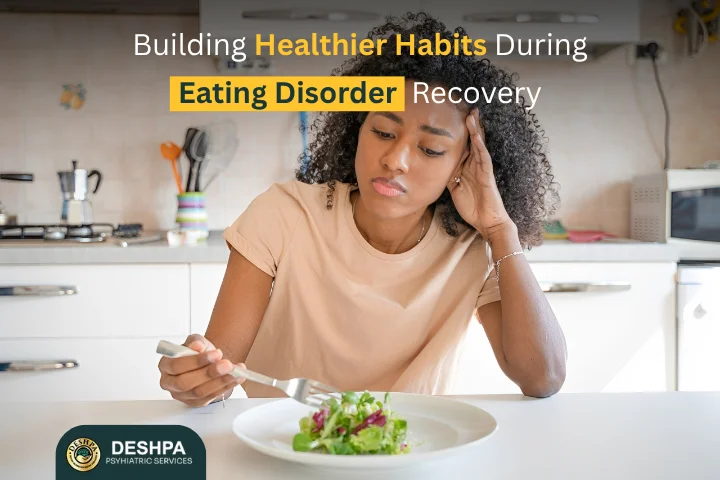
Getting better from an eating disorder is an incredible achievement. The secret? Taking tiny steps. Focus on building small, safe habits. Day by day, these microscopic shifts add up, they become your brand new normal, helping your mind and body heal gently as you learn how to recover from eating disorder challenges.
Why Small Steps Are the Best Way
Breathe, you might want to make a long list of big goals. However, big goals can be a bad idea, as a single miss will make you feel like you’ve failed. Missing a big goal can make you want to give up, but small habits are easier and less daunting for your brain. Daily wins build your pride and motivation. It’s like watering seeds that will grow. Healing is similar to nurturing a seed.
Simple Daily Habits to Try First
A daily routine provides a safe space by signaling to your brain what will happen next, which drastically lowers your baseline anxiety. When you are healing, feeling a little less worry is a beautiful thing. Try adding these easy habits to your day:
- Eat at exact times: Your body absolutely loves knowing when fuel is arriving, especially when following a recovery from eating disorder meal plan.
- Drink cool water: A morning glass wakes up your body nicely (and gently).
- Step outside: A short walk in the sun can completely shift your mood.
- Go to sleep on time: Deep sleep helps your brain fix itself.
- Call a friend: A five-minute chat reminds you that people love you.
Pick just one idea from this list. Do it every day for a whole week.
Changing How You Talk to Yourself
An eating disorder often installs a cruel voice in your head. That sad, relentless voice might say terrible things about your body, and changing that inner dialogue is a huge part of your healing work. Building a habit of self-compassion takes practice; every time you notice a harsh thought, intentionally pause and swap it for a gentler one. Try saying these words out loud:
- “My body needs care and deep rest.”
- “Food is good fuel for my long healing trip.”
- “I am trying my best, and that is enough.”
- “It is perfectly fine to ask for help.”
At first, you probably won’t believe these sweet words, particularly if you struggle because you never feel full after eating disorder routines change. Keep saying them out loud anyway. Soon, your brain will start to listen. Kindness will become your best habit.
Getting Professional Help for Your Mind
Eating disorders do not happen in a vacuum. They show up tangled with other heavy, complicated feelings. You might feel sad, scared, or completely stuck, often weighed down by past traumas that make the physical act of healing incredibly hard. Building daily routines is a fantastic start, but your mind needs dedicated care too. Professional support changes everything.
At DESHPA Psychiatric Services, we know treating your mind is just as vital as treating your body. Our mental health team provides care that actually works, helping you untangle the hidden things that keep you stuck. If you feel heavy sadness, deep fear, or past hurt, we are right here for you. We provide clear answers and highly compassionate treatment plans, including safe medication management and therapies designed to lift your mood. When your mind feels lighter, sticking to your new habits gets so much easier.
Focus On Good Feelings Instead of Numbers
During an illness, it is incredibly common to fixate constantly on numbers. You might stare at scales or study clothing tags until your eyes blur, letting those digits trap you in a dark, isolated place. A wonderful new habit is looking at how you feel instead. When you focus on feelings, you start to rebuild respect for your body. Pay attention to these honest signs of real healing:
- Having the energy to play with a happy dog.
- Laughing out loud at silly jokes.
- Sleeping all night deeply without panic.
- Feeling physically strong when you stand up.
- Reading a fun book without losing your focus.
These feelings tell you the truth. They say you are getting stronger. They prove your hard work is paying off.
Make a Safe Plan for Hard Days
Healing is never a straight line. You will inevitably experience hard days where you fall back into an old, damaging habit. Slipping up does not mean you have failed; it simply means you are human. The smartest habit you can build is knowing exactly what to do on a bad day by making a safety plan for when you feel lost, such as figuring out what to do after binging and purging.
- Write it down: Keep a list of three safe people you can call for help.
- Find quiet: Make a list of grounding things to do, like drawing or coloring.
- Keep contacts close: Put your doctor’s phone number right on your fridge.
- Show yourself grace: Remind yourself that tomorrow is a blank slate.
Having a clear plan neutralizes the panic. You know exactly what to do because you only have to follow the easy steps on your paper.
Cultivating good habits is a bold step. Every choice leads to happiness, so savor small daily victories. They lead to a happier life ahead. Select kindness and accept the appropriate care from the caring team at DESHPA Psychiatric Services and you’ll find your way back. But take one day at a time. You’re strong enough to heal. You never have to walk this path alone.
FAQs
Q. Why should I start with small steps?
Big goals can feel too hard. If you miss a big goal, you might feel sad and want to quit. Small steps are easy to do. They help you feel proud and brave each day.
Q. Do I need a doctor to help me?
Yes, getting better is hard to do alone. You might have big, scary feelings. A doctor helps your mind heal. The caring team at DESHPA Psychiatric Services is here to help you feel safe and happy again.