

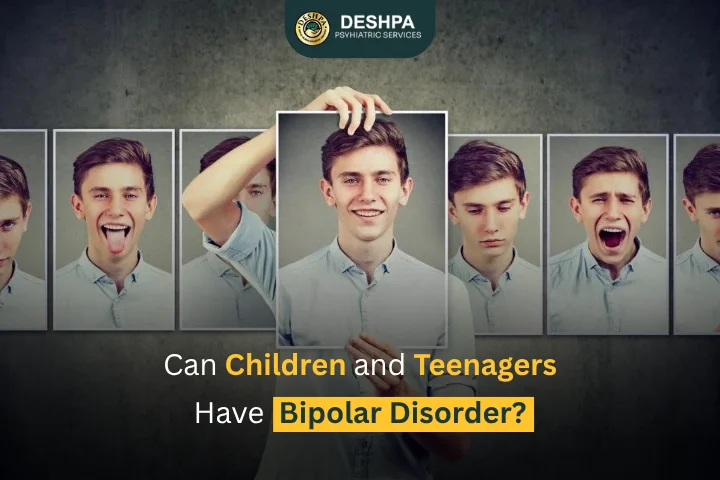
Every person has different feelings. Sometimes we are happy, sometimes we’re sad. This is a normal growth and development process or childhood process.
But sometimes, these feelings become very big and last for a long time. When feelings change in a very big way, parents and teachers might wonder why. They might ask if young people can have a mental health condition called bipolar disorder.
At DESHPA Psychiatric Services, we are here to help. Our caring staff provides evidence-based care and diagnosis. We manage medications and support children and teens in leading healthier, happier lives.
What Is Bipolar Disorder?
Bipolar disorder is a mental health condition. It causes big changes in mood, energy and behavior.
These changes are stronger than normal mood changes.
A child or teen with bipolar disorder may have:
- Very happy or very active times
- Very sad or tired times
These changes are stronger than normal mood changes.
Can Children and Teenagers Have Bipolar Disorder?
Yes, children and teens can have bipolar disorder. It’s less common in young kids but can show early signs during childhood or adolescence.
Emotional fluctuations are typical in growing kids, making diagnosis challenging. Symptoms can resemble other issues, so a professional evaluation is crucial.
Early diagnosis allows families to access appropriate treatment, leading to:
- Better disorder management
- Improved family dynamics
- Enhanced quality of life for the child or teen
Common Signs of Bipolar Disorder in Children and Teenagers
Bipolar disorder can show through various signs:
High/Energetic Phase:
- Rapid talking
- Little sleep but high energy
- Unexplained excitement
- Quick anger
- Impulsive behavior
Low/Sad Phase:
- Feel very sad or empty
- Not want to play or do schoolwork
- Sleep too much or too little
- Feel tired all the time
- Stop enjoying things they once liked
- Feel hopeless or worthless
If a child talks about hurting themselves, get help right away.
Why Bipolar Disorder Can Be Hard to Notice Early
In children and teens, bipolar disorder is sometimes confused with other conditions. It can manifest as attention problems, behavior problems, or anxiety.
For example, a child who is very active and impulsive might be thought to have attention problems. A teen who is moody might be seen as going through a “normal phase.” But when mood changes are extreme and repeated, it may be something more.
That is why it is important not to ignore ongoing patterns of behavior.
What Causes Bipolar Disorder?
Bipolar disorder arises from various factors, including:
- Family history of mental health issues
- Brain chemistry changes
- Stressful life events
- Biological mood regulation differences
It is a medical condition, not caused by parenting or behavior, and requires care and support.
How Is Bipolar Disorder Diagnosed in Children and Teens?
A mental health expert diagnoses bipolar disorder in teens by assessing symptoms and medical background. They might:
- Engage in conversation with the child or teen
- Consult with parents or caregivers
- Review school behavior records
- Assess the duration and severity of symptoms
Experts eliminate other potential causes before reaching a diagnosis, since various conditions can mimic these symptoms.
Treatment for Bipolar Disorder
The right treatment can help children and teenagers manage their symptoms and enjoy a better quality of life.
At DESHPA Psychiatric Services, we offer tailored care. Our evidence-based approach meets each child’s unique needs.
- Accurate Diagnosis
The first step is identifying whether bipolar disorder is truly the cause of the symptoms. A careful evaluation helps ensure the right treatment.
- Medication Management
Medications can stabilize mood and decrease the number and intensity of mood episodes. Therapy is tailored to be as safe and effective as possible.
- Psychotherapy
Therapy helps children and teenagers:
- Understand their emotions
- Learn healthy coping skills
- Improve communication
- Build confidence
- Manage stress
- Strengthen relationships
Family involvement is often an important part of treatment.
Ongoing Support
Bipolar disorder typically is a chronic disorder. Routine follow-up visits allow for a modification of treatment plans as a child’s metabolism changes over time and according to growth. We collaborate with families to support long-term emotional health.
Final Thoughts
Children and teenagers can have bipolar disorder. The good news is that help is available.
Early care can make young people feel well and have a healthy, successful life.
We help find the right treatment, diagnosis, and medication regimen for kids and teens and their families, including continual support, at DESHPA Psychiatric Services.
If you suspect that your child or teenager is suffering from bipolar disorder, don’t postpone treatment. Treatment is important at an early stage.
Call us today to arrange an appointment with our trained professionals. We’re here to assist your family in finding the care, support, and treatment required for a better future.
FAQs
Is bipolar disorder lifelong?
Yes, it’s often a long-term condition. Ongoing treatment helps stabilize mood and reduce episodes.
Can it start before adulthood?
Yes, symptoms can begin in childhood or adolescence, but are usually identified later.