

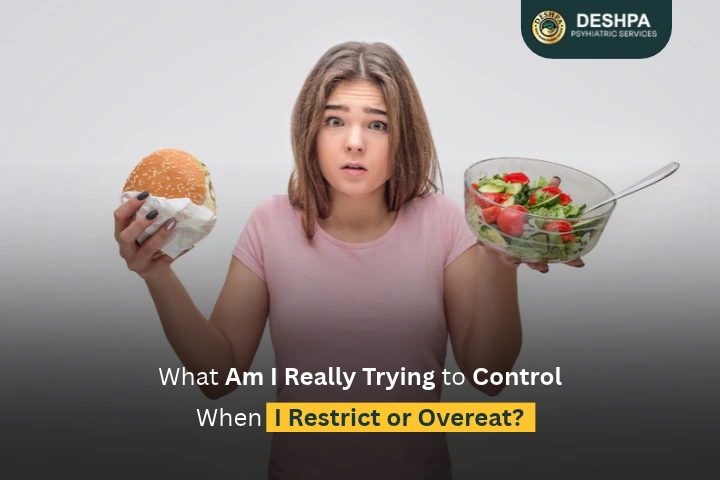
Many people think that strict diets or emotional eating habits are just about food. They think it is simply a matter of will or discipline. The truth is more than just what you eat. How you relate to food shows how you feel about your life. When things get tricky or stressful, your mind looks for something to manage. For many, that something is food.
The Hidden Connection Between Food and Your Emotions
Some days, unexpected problems pop up and can make you feel powerless, maybe job stress, conflicts at home, or serious concerns about what’s ahead. You can’t always immediately fix these big problems. These emotions are uncomfortable to sit with, so your mind seeks a distraction.
Your meals become a way to manage feelings that feel too big to deal with. There is a temporary sense of power if you can choose exactly what you eat. This does not mean that you are weak. Just your brain trying to protect you from too much stress. But using food to manage your emotions leads to a whole new set of problems.
Why We Turn to Food During Hard Times
Food is predictable and always available. You know precisely what a particular snack will taste like. You know what happens if you miss a meal. It’s reassuring to have something so predictable in a world full of surprises. It gives you a quick way to change your feelings in the moment.
What Your Eating Habits Are Trying to Tell You
Different eating habits meet different emotional needs. Limiting food and overeating may seem like opposites. Different eating habits meet different emotional needs. Limiting food and overeating may seem like opposites.
The Urge to Restrict Your Food Intake
Often, when you restrict what you eat severely, you are trying to build a safe container for yourself. The rules bring order. Here are some common hidden struggles people who restrict their food are dealing with:
- Seeking a strict routine to shut out the madness of everyday life.
- Attempting to gain a sense of achievement when other goals seem impossible.
- Making strict rules so you don’t have to face uncomfortable or painful feelings.
- Believing that a perfect diet will shield them from rejection or judgment.
The Urge to Overeat or Binge
On the flip side, eating too much is often a fast emotional outlet. It’s a way to quiet the noisy thoughts in your head. Sometimes you grab food when you’re not really physically hungry because of these feelings:
- Numbing deep sadness, anger, or frustration that you don’t want to face.
- Searching for a quick comfort fix when you feel lonely or unsupported.
- Trying to soothe a tight physical feeling in your body to push away anxiety.
- Briefly letting yourself go as a protest against strict diet rules.
How Wanting Everything to Be Perfect Plays a Big Role
Perfectionism really drives these food struggles. You work hard to be a flawless worker, parent, or friend. When you mess up, since you’re human (which is fine), it really hurts. Deeply. To fix this awful hurt, you turn strictly to your diet. You try to be a perfect eater instead.
A perfect diet simply does not exist at all. When you make one tiny mistake, you might feel totally broken. This heavy, crushing guilt drags you right back into severely restricting your daily meals or eating just to find comfort.
Recognizing When Control Becomes a Problem
After a long day, it’s natural to want healthy food or to indulge in a treat. The problem arises when food is your only tool to deal with stress. Understanding why you restrict or overeat can help you recognize the emotional patterns behind your eating habits and when you may need extra support.
Signs You Might Need Extra Support
- You suffer extreme panic or anger when your daily eating routine is suddenly changed.
- You cancel fun plans with your friends just to avoid going to a restaurant.
- You think about food almost constantly when you’re awake.
- You base your entire sense of self-worth on the number you see on the scale.
How DESHPA Psychiatric Services Can Help You Heal
It’s very hard to break this cycle on your own. You need a safe place to explore the real feelings behind your food choices. This is where DESHPA Psychiatric Services can step in to guide you through. Our compassionate team understands that your challenges are real and run deep, coming from your life experiences.
At DESHPA Psychiatric Services, we treat the whole person. We help uncover the stress and emotional pain behind your eating choices. A professional guides you in managing emotions without turning to food.
Steps to Take Toward a Healthier Life
- Choose a therapist who’s familiar with your binge and restriction issues.
- Check your true feelings right before you turn to food for comfort.
- When you fail (it is normal), speak to yourself with sweet grace instead of spite.
- Find a passion that sparks joy outside of cooking.
Finding Your Path to True Freedom and Balance
True control is not built by counting bites or eating past the pain. It comes from feeling your tough emotions and riding out the storm. You really deserve a full life (where food is just fuel, never a trap). Ask for help soon. You can truly build a rich future that is filled with deep peace, calm balance and great joy today.
FAQs
Q. What are clear warning signs of a food struggle?
Warning signs include skipping fun events just to avoid restaurants. Thinking about food all day long is also a major clue.
Q. Why do people eat too much or restrict food?
People use food to handle big feelings. When life gets stressful, controlling food feels like a fast and easy fix.
Q. What is a strict diet really trying to do?
Strict diets are often a way to feel safe. Making firm rules about food helps block out everyday stress and messy problems.